
Independent school marketing teams are getting smaller, budgets are under more scrutiny, and parents are asking harder questions about value, outcomes and fees. In that environment, commercial awareness isn’t a buzzword or a bolt-on. It’s about being clearer on what your work is actually driving, day-in-day-out.
Visibility alone doesn’t fill places. Enquiries don’t guarantee enrolment. And activity, no matter how polished, doesn’t always translate into impact.
The schools that are starting to stand out are the ones making a shift. More schools today are actively making the decision to focus on marketing that works over work that looks good.
In this blog:
Marketing that looks good isn’t enough anymore. This blog explores why breaking out of the independent school echo chamber and building real commercial awareness is key to connecting marketing efforts to tangible outcomes.
From understanding modern parent behaviour to making sharper, more commercially-informed decisions, we explore how schools can become more data-aware, creatively confident and better aligned to what families actually value.

What does commercial awareness actually mean in independent school marketing?
It’s not a term the sector uses often, and that’s part of the problem. At its core, commercial awareness is about connecting what you do to what it changes. "Commercial" sounds like a scary term, but all it means is the buying or selling of goods or services to make profit.
Commercial thinking, therefore, is about understanding how your marketing and admissions activity influences outcomes like enquiries, applications, enrolment and, ultimately, fee income. It means moving beyond surface-level metrics and getting closer to the signals that show real intent and impact to drive better and more predictable outcomes.
It also means being honest about the landscape you’re in and the work you're doing right now. Families don’t choose schools in isolation. Independent schools operate in a competitive, high-stakes market where families are actively comparing, questioning and justifying their decisions.
They question their choices through their personal networks, LLM search tools, existing families, and online forums. Being visible in the local area simply isn't enough.
Commercially aware marketing tackles the reality that parental buying journeys are no longer linear head-on.
So instead of asking:
“What are we putting out into the world?”
Commercial thinking asks:
“Is this helping the right families choose us?”
It’s the shift from outputs to outcomes.
- Launching a new website > using your school's website as a nurture and sales tool
- Running a regular open event schedule > increasing conversion from visit to application through careful personalisation
- Posting content > influencing how parents perceive your school at every stage of their journey
Marketing needs to be more commercially accountable. That’s the difference.
Learning from outside the sector
One of the fastest ways to build commercial awareness is to look beyond education. Those schools that opt to look beyond will find themselves making better, more creative decisions instead of copying their competitors.
Some of the most useful perspectives come from looking outside the sector entirely. At how other industries think about growth, how they design experiences, and how they influence high-consideration decisions.
That was the thinking behind Ubiq X LIVE.
This event is about bringing together independent school marketers, admissions teams and leaders alongside notable voices from brands like Netflix, Monzo, Moonpig and more. All with one goal: to challenge conventional thinking and push beyond “how things have always been done”
Regardless of the campaign you are running, the reality is that parents aren’t just comparing your school to the one down the road. They’re comparing it to the best experience they’ve had anywhere. At big brands with big budgets.
Take Ubiq X LIVE, for example. Across keynotes, panels and breakout sessions, a few themes came through, loud and clear:
Emotion drives decision-making more than information

Dani Rayner, former Director of Marketing at Netflix, challenged schools to stop chasing attention and start building affinity. Drawing on the idea of fandom, she highlighted that loyalty is rooted in emotion, identity and belonging.
Schools already have the raw ingredients for this: meaningful moments, long-term relationships and a strong sense of community.
But too often, marketing defaults to credibility over connection. The commercial takeaway is simple. If families don’t feel something, they’re less likely to choose you.
View speaker slides
Clarity beats complexity
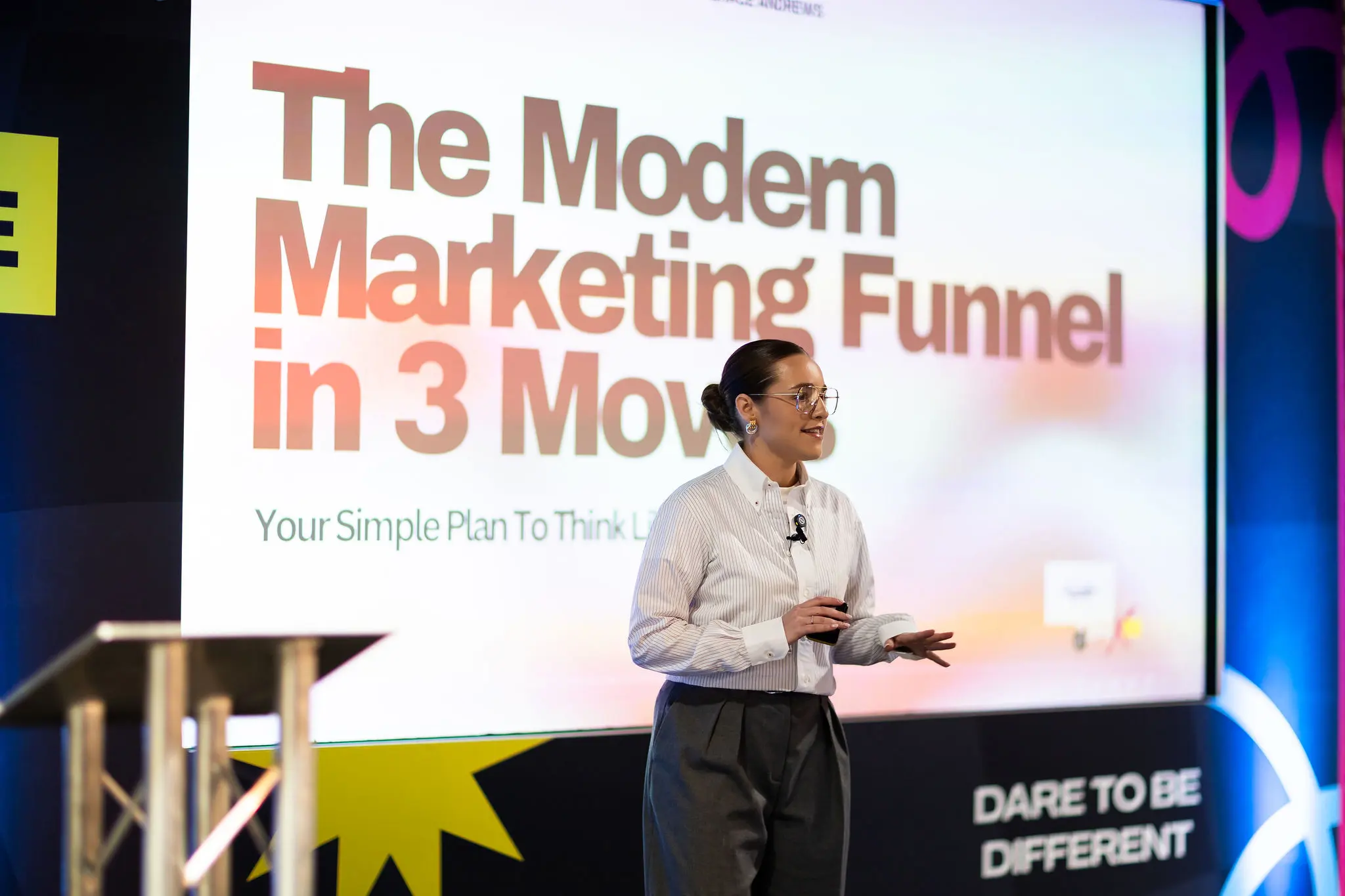
Grace Andrews closed day one by reframing the traditional marketing funnel as something far messier and more human. People don’t move neatly from awareness to action. They scroll, search, compare and decide across multiple touchpoints.
Her three-step approach cut through that complexity: get clear on what you want to be known for, turn that into consistent signals, and build momentum through experimentation.
For schools, that clarity reduces friction and makes it easier for families to understand what you stand for and why it matters.
Distinctiveness wins attention
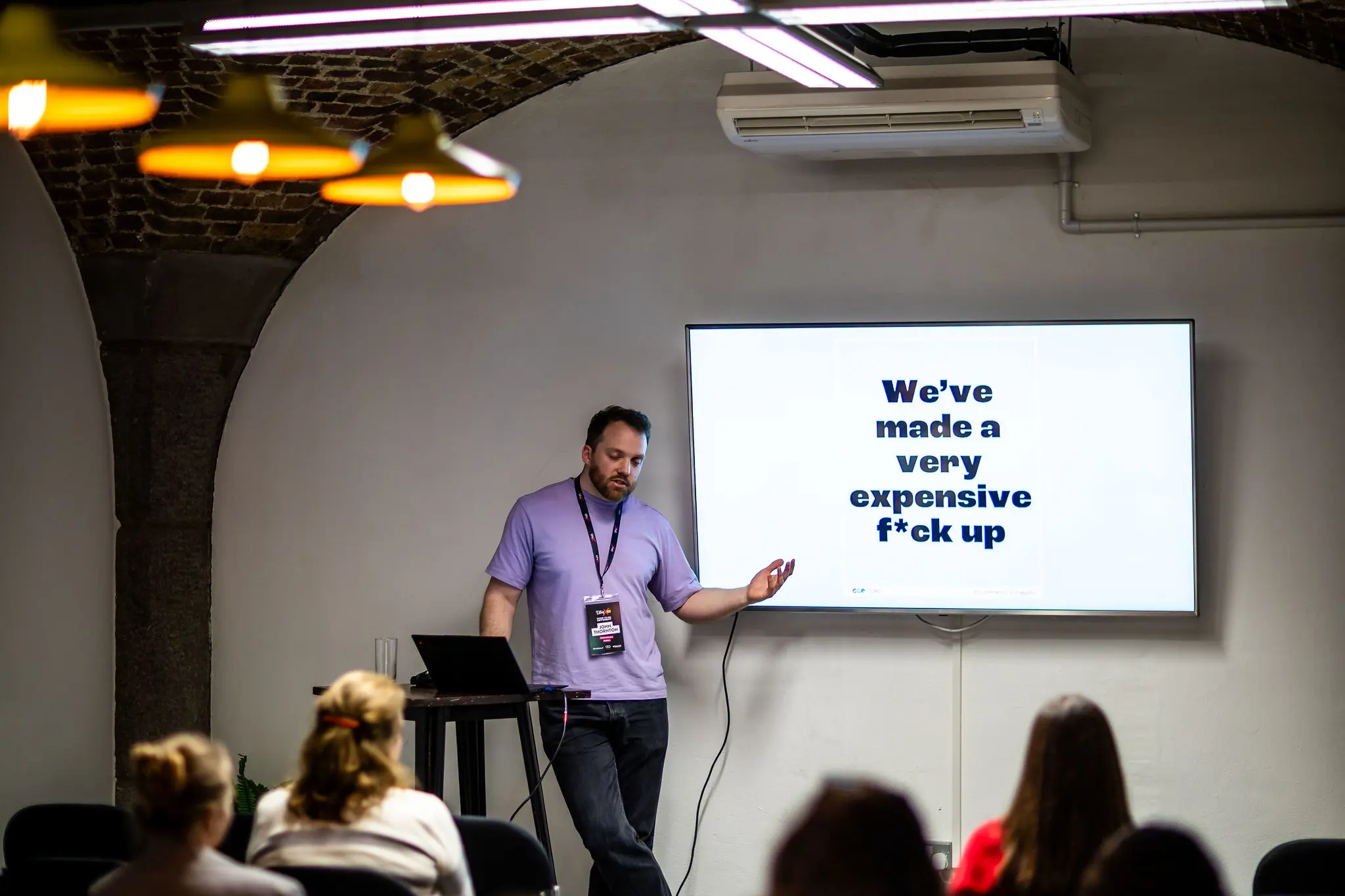
John Thornton from SURREAL made the point simply: safe marketing is easy to ignore. In a crowded independent school market, sounding like everyone else is one of the biggest risks you can take.
The schools that stand out aren’t louder. They’re more recognisable, more specific, and far harder to confuse with anyone else.
Experience matters as much as message
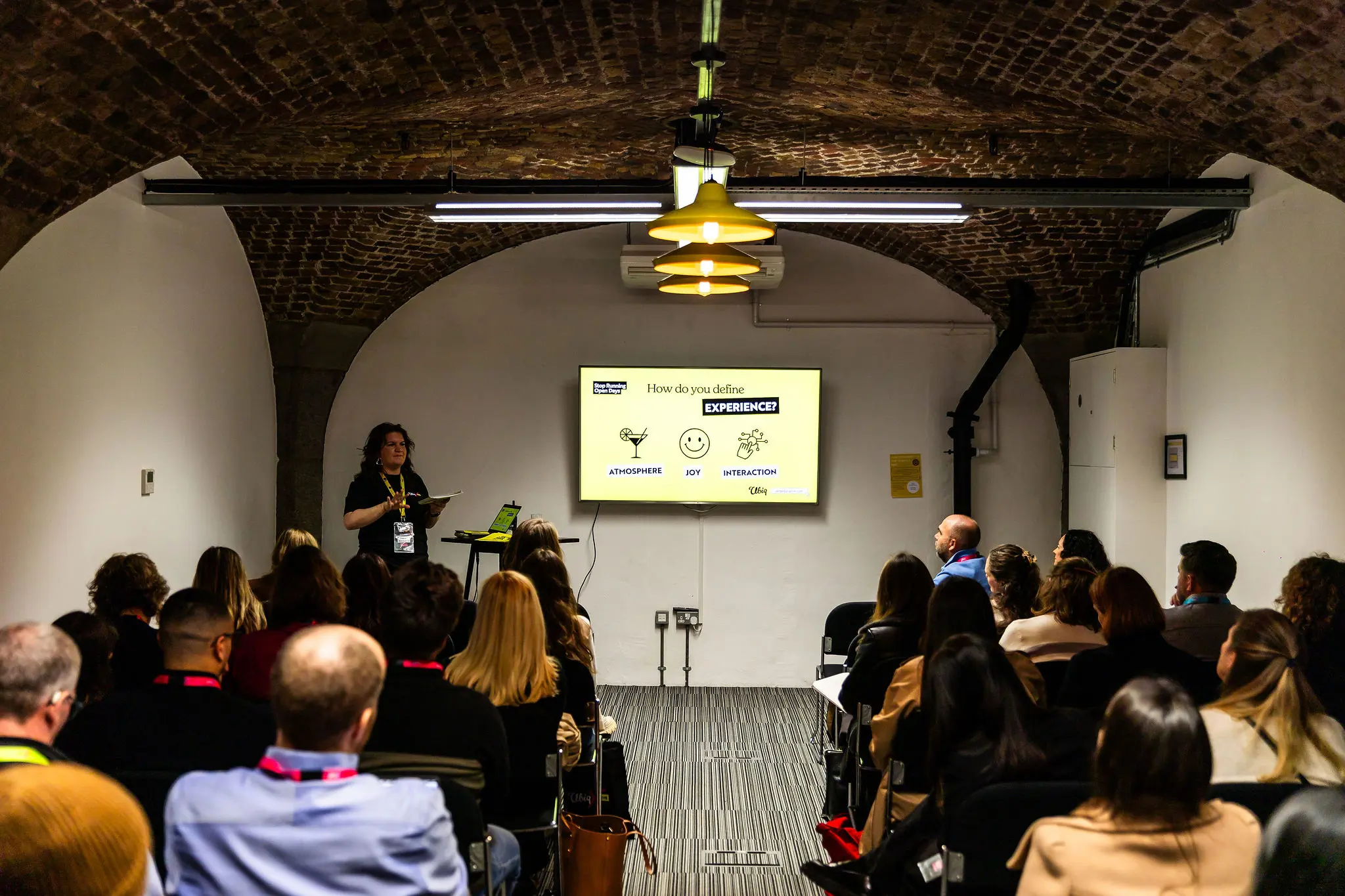
Ubiq's Event Manager, Emilee Alexson, challenged schools to rethink open days not as events, but as experiences. Marketing doesn’t stop at the message. It carries through every interaction, from the first website visit to the moment a family leaves your campus.
When those moments are designed, not left to chance, confidence builds. And that’s what drives decisions.
All of these insights point to the same thing: commercial thinking is about knowing what matters.
There’s a lot to learn from other schools, but there’s just as much to learn from brands operating in competitive markets every day. How they earn attention, build trust and influence decisions.
That’s the shift to commercial awareness. Looking beyond the echo chamber and focusing on what actually works.
Five ways to build your commercial awareness
So, you've heard from big speakers and investigated big brands. But how can you put all of this into practise?
Becoming more commercially aware can feel like one of those big, slightly intimidating shifts. The kind that sounds expensive. Time-consuming. And just a bit out of reach. But it’s usually much simpler. It starts with small changes in how you think about your work, what you pay attention to, and how you measure success.
As that mindset changes, so does the output. Marketing becomes intentional, not to mention far more tied to enrolment outcomes. Rather than just activity for activity’s sake.
1. Move closer to outcomes, not just activity
It’s easy to measure what you produce. Campaigns launched, landing pages published, events delivered. It’s harder, but far more useful, to understand what those things actually change. Start connecting your activity to outcomes like enquiries, applications and enrolment.
Where are families coming from? What are they engaging with before they convert? What does a strong enquiry actually look like compared to a weak one?
Look at your last three campaigns or events and ask:
- Did this drive enquiries, or just traffic?
- Did those enquiries convert, or stall?
- What did the strongest ones have in common?
Even if your data isn’t perfect, building a clearer picture of behaviour over time starts to shift decision-making. Marketing becomes less about volume, and more about influence.
2. Understand what families are doing before they enquire
Search behaviour is one of the clearest windows into intent. Queries like “choosing an independent school UK” or “what parents look for in an independent school” are certainly SEO opportunities or high-intent keywords that parents search on ChatGPT. But underneath it all, these are signals of demand.
They tell you what questions families are asking, what concerns they have, and what they need to feel confident in their decision.
Commercial awareness means paying attention to that pre-enquiry behaviour, because it often tells you more than the enquiry itself. That insight helps you shape content around what families actually need, not just what the school wants to say.
3. Build journeys around intent, not structure
Most school websites are organised around how the school sees itself.
Admissions. Academics. Pastoral. Co-curricular. Fees. Contact Us. Book an Visit.
Useful? Yes. Inspiring? Sometimes.
Built around how parents actually make decisions? Not always.
Families don’t follow a neat funnel. They explore, pause, compare and return when it suits them. So instead of forcing a linear journey, design pathways around intent.
A family just starting their search needs something different from one ready to book a visit. An international parent needs different reassurance than a local one comparing nearby schools.
The shift is simple:
- Surface the right content earlier
- Tailor journeys by audience and interest
- Make next steps feel natural, not transactional
When you respond to behaviour, not structure, journeys become easier to follow. And, (I'll let you in to a little secret), far more likely to convert. Help them explore the right content, answer their next question, and move naturally towards the next step.
What little change could you implement to make enquiry routes feel less like an admin form and more like a continuation of the experience?
4. Personalise the experience before the first conversation
Personalisation doesn’t have to mean anything flashy or beating every custom field to death. It just means making the experience feel more relevant to the person using it. Don't worry, FirstName still has its place.
- If a family has shown interest in boarding, don’t make them dig for boarding content every time they come back.
- If someone is exploring sixth form, make it easier for them to find subject choices, destinations, student stories and next steps.
- If an international family is browsing, prioritise the information that builds trust from a distance.
This is where commercial awareness becomes practical. You’re no longer broadcasting the same message to everyone and hoping it lands. Instead, you’re using behaviour, interest and intent to make the next interaction more useful.
That relevance builds confidence. Confidence drives action. And action is where marketing starts to prove its value.
5. Get comfortable with what’s working (and what isn’t)
Commercial thinking requires a level of honesty that not every team is used to.
Not everything will work. Not every campaign will land. Not every email workflow will convert the way you expect.
But the teams that improve fastest are the ones who don’t just move on, they look closer. What drove the strongest enquiries? Where did families drop off? What patterns are starting to emerge over time?
You don’t need perfect reporting. But you do need the data. The more you understand what’s actually driving decisions, the easier it becomes to do more of it, and less of everything else that isn't moving the needle.
If you want to see what that looks like in practice, from the ideas shaping the sector to how they’re actually being applied, Ubiq X LIVE is where those conversations happen.
Frequently Asked
Questions
| What does “commercial awareness” mean in school marketing? |
|---|
|
Commercial awareness means understanding how your marketing activity contributes to enrolment and fee income. It’s about linking what you do (campaigns, content, events) to what it actually drives (decisions, conversions and growth). It shifts the focus from “what did we do?” to “what did it change?”, helping school marketing teams to play a more accountable role in school growth. |
| Why is commercial awareness becoming more important now? |
|
Independent schools are operating in a more complex, competitive environment. You’re likely seeing:
In that context, marketing needs to prove its impact, not just generate activity.
|
| Why should independent schools learn from brands outside the education sector? |
|
Because families don’t experience your school in isolation, they compare it to the best experiences they’ve had anywhere. Day-in, day-put. That includes brands like Netflix, Spotify, Amazon or Monzo, where expectations are shaped by:
That’s exactly the thinking behind Ubiq X LIVE, bringing together voices from inside and outside education to explore what schools can learn, adapt and apply in practice. |
| How can schools better understand parent decision-making? |
|
Start by looking earlier in the journey, before a family enquires. Do you have the data to do so? Pay attention to:
These signals reveal concerns, priorities and motivations, often more clearly than the enquiry (or lack of) itself. |
| Where can I learn more about applying this in practice? |
|
Turning commercial awareness into something practical often comes down to having the right visibility, tools and flexibility in place. That’s where platforms like AMAIS™ come in, bringing together your website, data and communications so you can:
Instead of relying on disconnected systems and surface-level metrics, you get a clearer, more joined-up view of what’s driving decisions. And better yet, the ability to act on it in real time! |
 |
Meet The Author: Molly Johnston, Content Marketing Manager With over a decade of experience in marketing, Molly specialises in turning complex ideas into clear, engaging content that helps brands communicate with clarity and impact. She creates content that resonates with real audiences, helping schools connect more meaningfully with families at every stage of their journey. Outside of work, she’s usually cooking something overly ambitious or being managed by four cats; a setup that keeps things entertaining, and her clothes permanently covered in fur. |